
Aikido Over 50: Joint Health, Reflexes & Fall Prevention
Practising Yoshinkan Aikido past age 50: preserving joint mobility, decompressing the spine, preventing falls, and healthy aging.

As adults cross the milestone of age 50, physical priorities naturally shift. While younger martial artists often focus on muscular hypertrophy, high-impact sparring, or competitive trophies, mature practitioners recognize that true martial wisdom centers on joint longevity, spinal health, neuro-motor reflexes, and functional independence.
In many combat sports—such as Muay Thai, Boxing, or high-intensity grappling—continuing to train past 50 often results in chronic osteoarthritis, torn meniscus, herniated discs, or concussive wear. Yoshinkan Aikido, by contrast, is celebrated worldwide as a martial discipline that can be practiced safely and vigorously throughout one's 50s, 60s, 70s, and 80s. Master Gozo Shioda (1915–1994) demonstrated explosive power well into his late 70s because his technique relied on skeletal alignment (Kamae) rather than youth-dependent muscle.
- Fall Prevention: Accidental falls are a leading cause of injury in older adults; Aikido's Ukemi builds practical, lifelong fall protection.
- Spinal Decompression: Upright posture in Kamae relieves lower back compression and sciatica.
- Joint Lubrication: Gentle rotational wrist and elbow exercises (Ikkajo & Nikajo) stimulate synovial fluid production.
- Vestibular Health: Body pivoting (Tai no Henko) sharpens inner-ear balance and spatial coordination.
- Minimal Concussion Risk: No strikes aimed at the head and no sparring knockouts.
1. Accidental Fall Insurance for Mature Adults
According to the World Health Organization (WHO), falls are the second leading cause of accidental injury deaths worldwide, with older adults facing the greatest risks of hip fractures, wrist compound fractures, and head trauma from simple slips on wet tiles or pavement cracks.
- Rewiring the FOOSH Reflex: When untrained adults fall, they stiffen and extend their arms straight out (Fall Onto Outstretched Hand), fracturing wrists and shoulders. In Aikido, students learn to curve the body into a rounded wheel (Ukemi).
- Floor-Level Progression: Older adults start with gentle seated and kneeling rolls on padded tatami mats. You are never thrown aggressively or forced beyond your physical comfort level.
- Subconscious Reaction: If you slip on a wet kitchen floor or stumble on a staircase, your body automatically rounds, tucks the chin, and rolls smoothly without injury.
2. Spinal Health, Joint Mobility & Vestibular Calibration
1. Kamae & Spinal Elongation
In Yoshinkan Kamae, the spine is aligned vertically along the central plumb line (Seichusen), with the pelvis tucked forward. This posture reverses chronic kyphosis, decompresses the lumbar vertebrae, and strengthens the deep postural stabilizers.
2. Gentle Joint Mobilization (Junbi Undo)
Pre-class warmups mobilize wrists, elbows, ankles, and shoulders through circular stretching (Nikajo & Kotegaeshi stretches), stimulating synovial fluid to keep cartilage nourished and pain-free.
3. Fudoshin (Immovable Mind & Stress Relief)
The meditative focus of Budo training provides a deep mental cleanse, lowering cortisol, reducing anxiety, and fostering lifelong emotional serenity. Read more in Health Benefits of Yoshinkan Aikido.
3. Low-Impact Aerobic Exercise Without Joint Jarring
Running on concrete or lifting heavy weights can aggravate knee osteoarthritis and spinal disc degeneration. Aikido provides continuous low-impact aerobic activity through smooth stances, partner blending, and soft rolls. The heart rate remains in the optimal aerobic fat-burning and cardiovascular endurance zone without damaging joints.
4. Training Adaptations for Mature Practitioners
At Shoreikan Dojo, training for mature adults is carefully tailored to individual mobility levels:
- Modified Kneeling (Seiza Alternatives): If knee arthritis or meniscus sensitivity prevents full kneeling, students practice from a cross-legged position (Anza) or standing posture without judgment.
- Paced Repetition: Techniques are repeated systematically with cooperative partners who match your speed and physical comfort.
- Focus on Internal Power (Kokyu-ryoku): Rather than exhausting yourself with frantic movement, training cultivates relaxed, grounded breathing (Kokyu-ryoku) and effortless leverage.
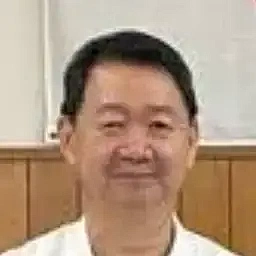
Senior aikidoka training in a relaxed, sustainable rhythm — living proof that Aikido practice continues comfortably into later life.
5. Neuro-Motor Plasticity & Brain Health in Aging
Neuroscience research has demonstrated that complex cross-body coordination exercises promote neuroplasticity—the brain's ability to rewire and form new neural connections—which helps combat cognitive decline. Yoshinkan Aikido demands continuous bilateral integration:
- Cross-Lateral Motor Patterns: Moving the left hand in coordination with the right hip during Tai no Henko stimulates corpus callosum communication between the left and right brain hemispheres.
- Spatial Orientation & Proprioception: Estimating distance (Ma-ai) and timing without vision-dependence sharpens the brain's spatial processing centers, maintaining razor-sharp reflexes for everyday driving and walking.
- Mindful Somatic Presence: Every movement requires total mindful absorption in the present moment, sweeping away mental fatigue and leaving you mentally refreshed after every class.
Train at Your Own Pace at Shoreikan Dojo in Kepong
At Shoreikan Dojo in Kepong, Kuala Lumpur, we have mature students in their 40s, 50s, 60s, and beyond who train comfortably on Saturday mornings under Chief Instructor Tony Chung (6th Dan). Experience a free, zero-pressure trial session by exploring our Schedule & Fees or reading our Beginner's Guide.
Canonical Literature & References
- Shioda, Gozo. (1996). Total Aikido: The Master Course. Kodansha International.
- Shioda, Gozo. (2002). Aikido Shugyo: Harmony in Confrontation. Shindokan Books.
- World Health Organization (WHO). (2021). Step Safely: Strategies for Preventing and Managing Falls Across the Life-Course.
About the Author & Reviewer
Ben Ong
AuthorStudent & Yoshinkan Practitioner
Student and Yoshinkan Aikido practitioner at Shoreikan Dojo, documenting classical techniques, biomechanics, and martial principles.
Tony Chung
Reviewer6th Dan Chief Instructor · Co-Founder
Authentic Yoshinkan instruction in Malaysia since 2001, maintaining direct technical syllabus standards from Tokyo Honbu.
Recommended Next Reads
View All Guides →Tai Sabaki: The Body Movement Behind Every Throw
Tai Sabaki (body movement) in Yoshinkan Aikido: leaving the line of attack, angular entries, irimi and tenkan geometry, and why footwork precedes technique.
Masakatsu Agatsu: True Victory Is Victory Over Oneself
Masakatsu Agatsu, Morihei Ueshiba's central maxim: true victory over oneself. What it means in Yoshinkan training, ego management, and daily practice.
Ma-Ai & Zanshin: Distance and Awareness in Aikido
Two silent pillars of Yoshinkan Aikido: Ma-ai (combative distance) and Zanshin (residual awareness)—how spacing and attention decide techniques before contact.
Join a Free Saturday Trial Class
Reading about martial biomechanics is just the beginning. Step onto the tatami in Metro Prima, Kepong, Malaysia, and experience center-line balance firsthand.